

Transformative spaces: Nurturing collective life and belonging
20 Oct 2026

Chandrika Sahai, Bridging Dialogues
We have been witnessing two parallel processes unfolding in the spaces we inhabit and create.
The first has been the erosion of our physical, political, ecological, cultural and relational spaces, that has been chipping away at our sense of security and agency. The phenomenon of “closing space” is well known to all of us – the steady restrictions on civil society, social movements and activism through regulation, criminalization of dissent, funding cuts, surveillance and intimidation. This has crept up on us despite us seeing it coming.
We have also lost space in other ways too. We have lost our community and democratic spaces to authoritarianism, polarization, fragmentation and the rhetoric of hate. We have witnessed the destruction of our ecological spaces in the name of growth and development. We have been displaced from our lands and homes due to occupation, war, violence and persecution.
The second phenomenon has been quieter and less visible. Amidst the constriction and fragmentation, spaces that foster safety, trust, healing and imagination have been emerging and persisting – quietly, stubbornly, defiantly.
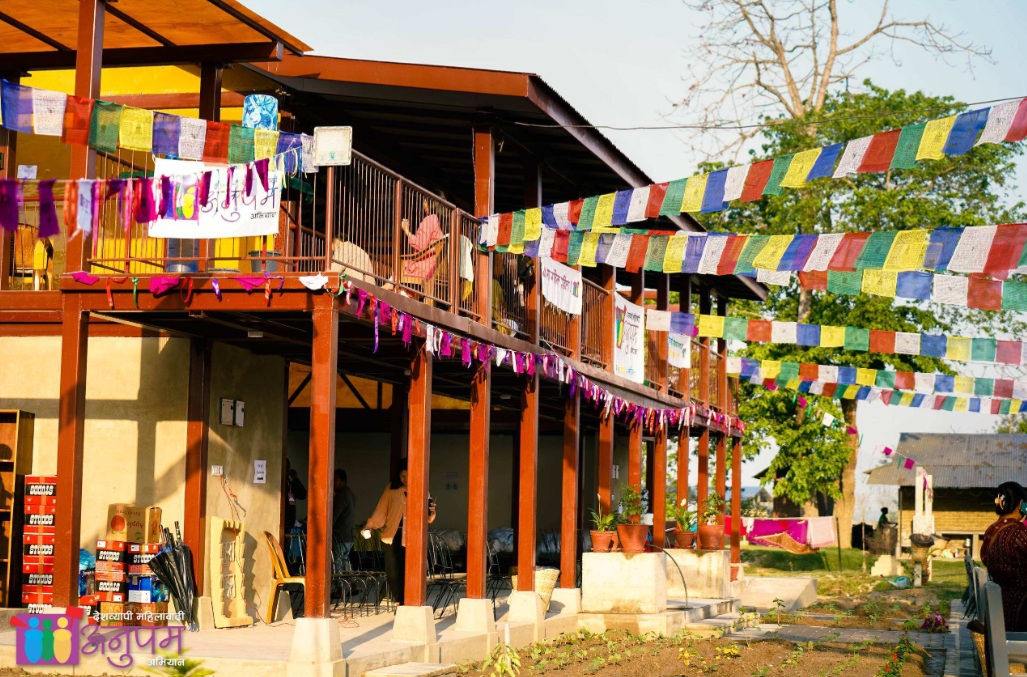
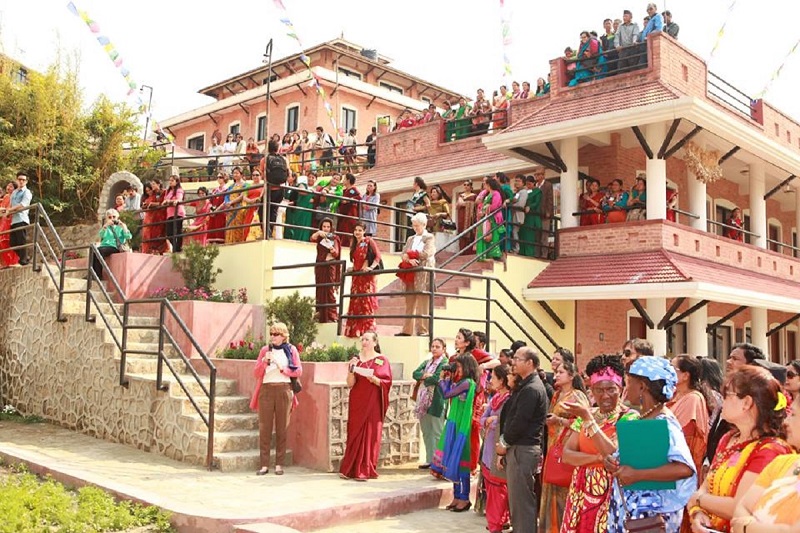
In late June a group of us, convened by the GFCF, met in the tranquil premises of the Deepyogini, the Tewa Centre in the Kathmandu valley in Nepal. Tewa itself is a special space constituted through and with community. It became a perfect place to ask a simple but profound question: how do we build spaces that make a different way of being, relating and working together possible?
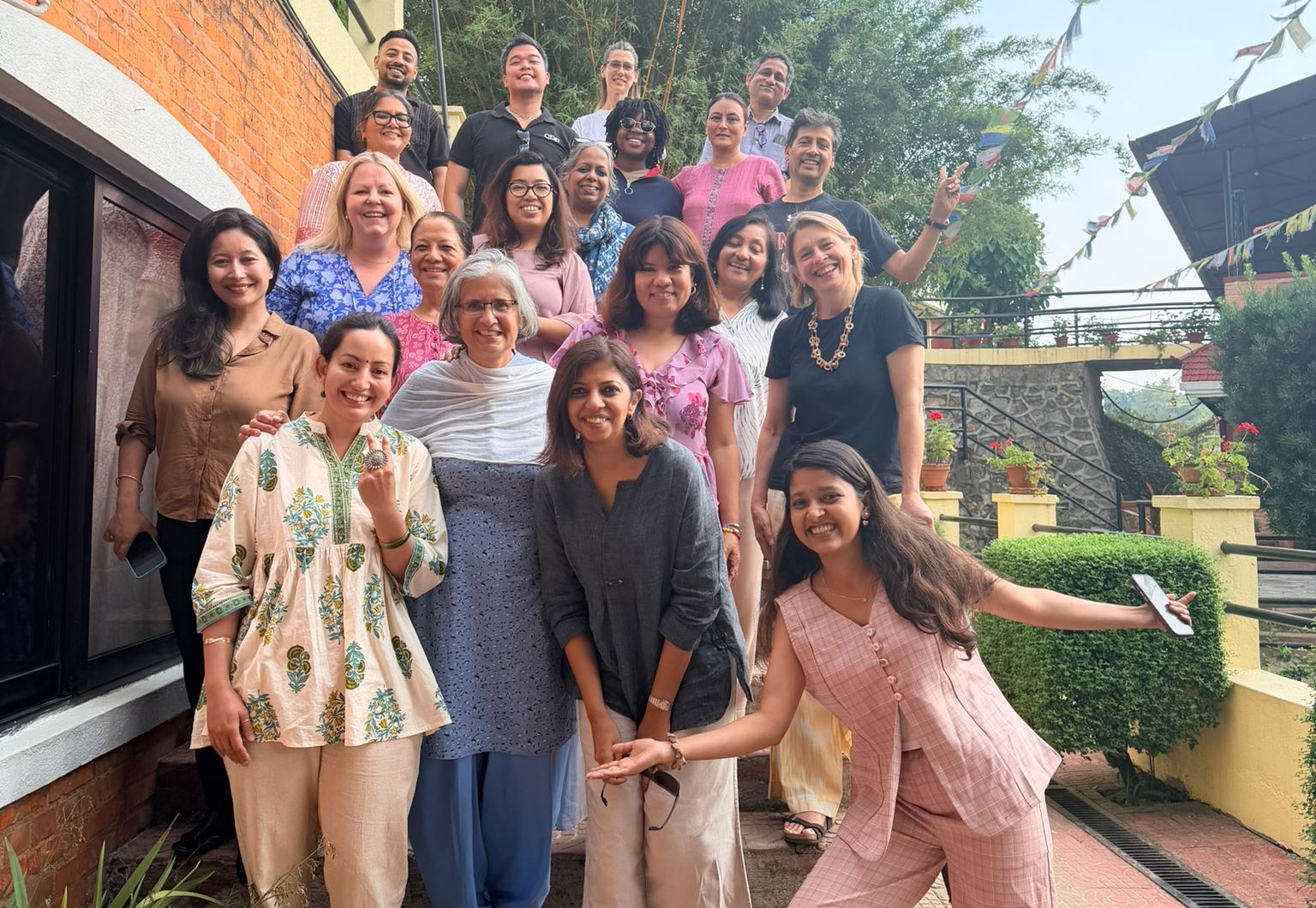
This question has stayed with me because it is central to what we are trying to do at Bridging Dialogues: strengthen the ecosystem of support for community-based conflict transformation by investing our efforts in small, connected, warm spaces rooted in love rather than in fear, and in a willingness to understand one another rather than the differences that divide us.
As we listen closely to what makes these possibilities emerge and sustains us in the work, certain convictions are beginning to take shape.
First, we are learning about the small and simple acts that open up space. We have been so focused on closing space that we have sometimes lost sight of what sustains people, and what refuses to give up even when governments try to curb every voice, every expression of freedom and every act of dissent.
When we look more closely, we find that even in the most “closed” societies, something continues to thrive quietly: relationships and collective life. György Hámori of the Roots and Wings Foundation in Hungary, in his evocatively titled blog, What grew while democracy was shrinking?, reminds us that “democracy is sustained not only by constitutions, elections or public institutions. It is also sustained by thousands of small acts through which people gradually learn that public life belongs to them.”
I recently heard a talk from a Hungarian sociologist trying to understand the phenomenon that ended sixteen years of Viktor Orbán’s government. What they have come to understand is that in the year leading up to the election, Hungary saw the burgeoning of a thousand small, local, informal organizations that organized sports and cultural events and also got involved in what he calls “classic humanitarian activities” such as the provision of food and shelter. These activities offered a way to begin when people felt a strong desire to do something but did not yet know what to do. Starting with what was close at hand helped overcome the paralysis of “what shall we do?”, while building relationships and direct connections with their communities. Eventually these organizations served as the base that campaigned door to door for Péter Magyar.
In India, Martin Macwan of Navsarjan, working under severe restrictions, has focused on building agency from the bottom-up through creative campaigns and political education for young people, rather than concentrating on fighting a legal system that is trying to take away people’s power to organize. Even in places like Russia where open political action is dangerous or impossible, people are turning towards forms of action that remain possible. One participant in the Bridging Dialogues community described how she is focusing on creating spaces where people can work together around shared, everyday concerns: generosity, helping others and building the kind of city in which they want to live.
For those of us in organized and NGO-ized civil society, these activities might appear modest beside the scale of political repression. Yet they offer ways to sustain relationships, collective agency and the capacity to act together. As Fahad Zuberi writes: “Space is not an inert container of social life; it is itself socially produced. Political space emerges wherever people gather to act together, not where the state grants legitimacy.”[1]
Perhaps a key lesson here is the need to loosen our NGO mindsets: the ways of organizing we have come to learn, and the assumptions we hold about how and where change happens. We have come to locate civil society within legislative and institutional frameworks, funding arrangements and formal processes. But the real space for organizing may lie elsewhere, in the humbler more human work of nurturing collective life in communities and creating the conditions for people to be and act together.
Our second conviction comes from extraordinary living examples of people, movements and communities creating physical spaces that regenerate our humanity and restore our capacity for connection. Some of these are physical spaces: Deepyogini (the Tewa Centre) and Padmalaya in Nepal; Corrymeela in Northern Ireland; and, the Center for Peacebuilding (Centar za Izgradnju Mira, CIM) in Bosnia and Herzegovina.
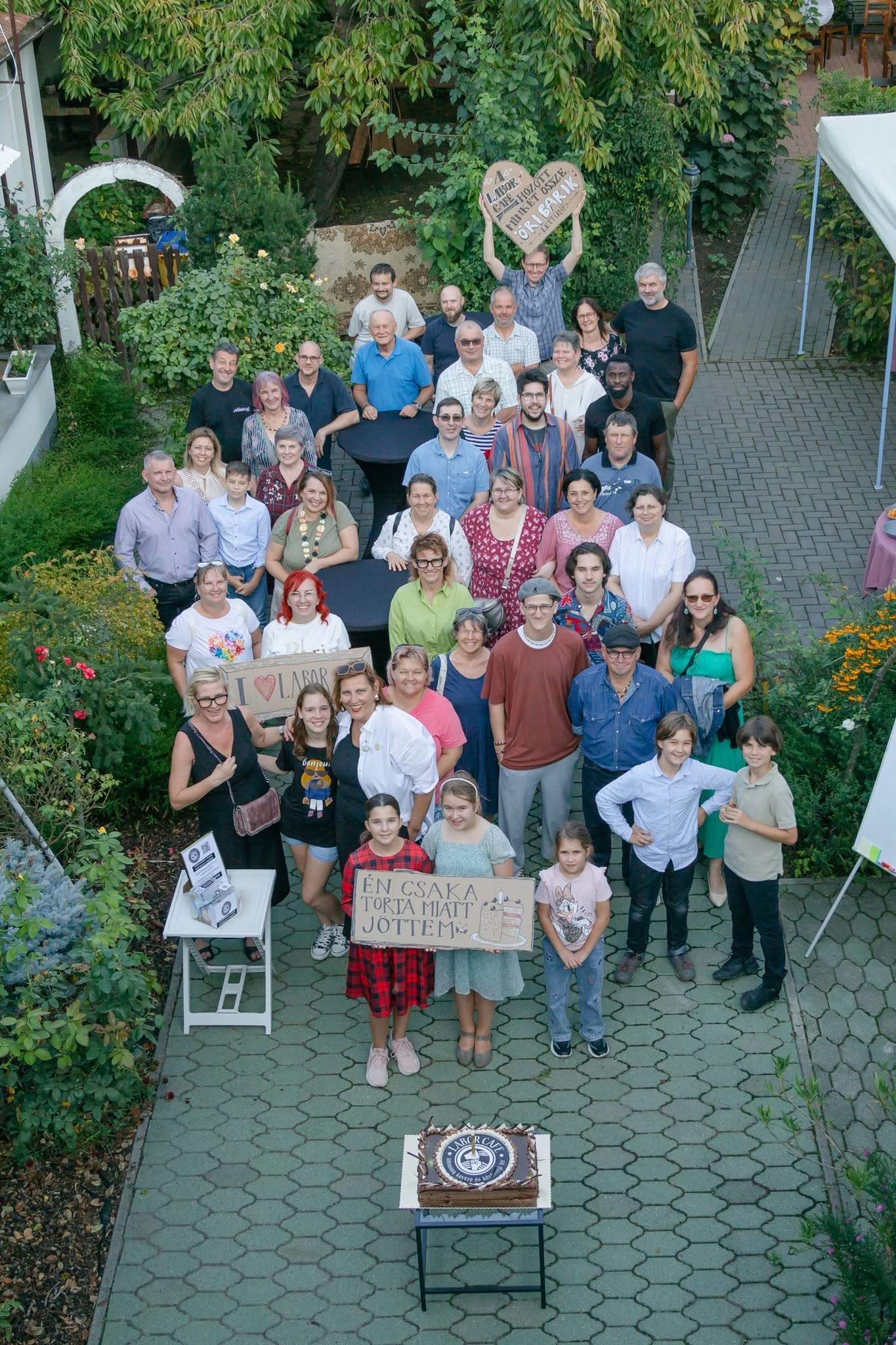
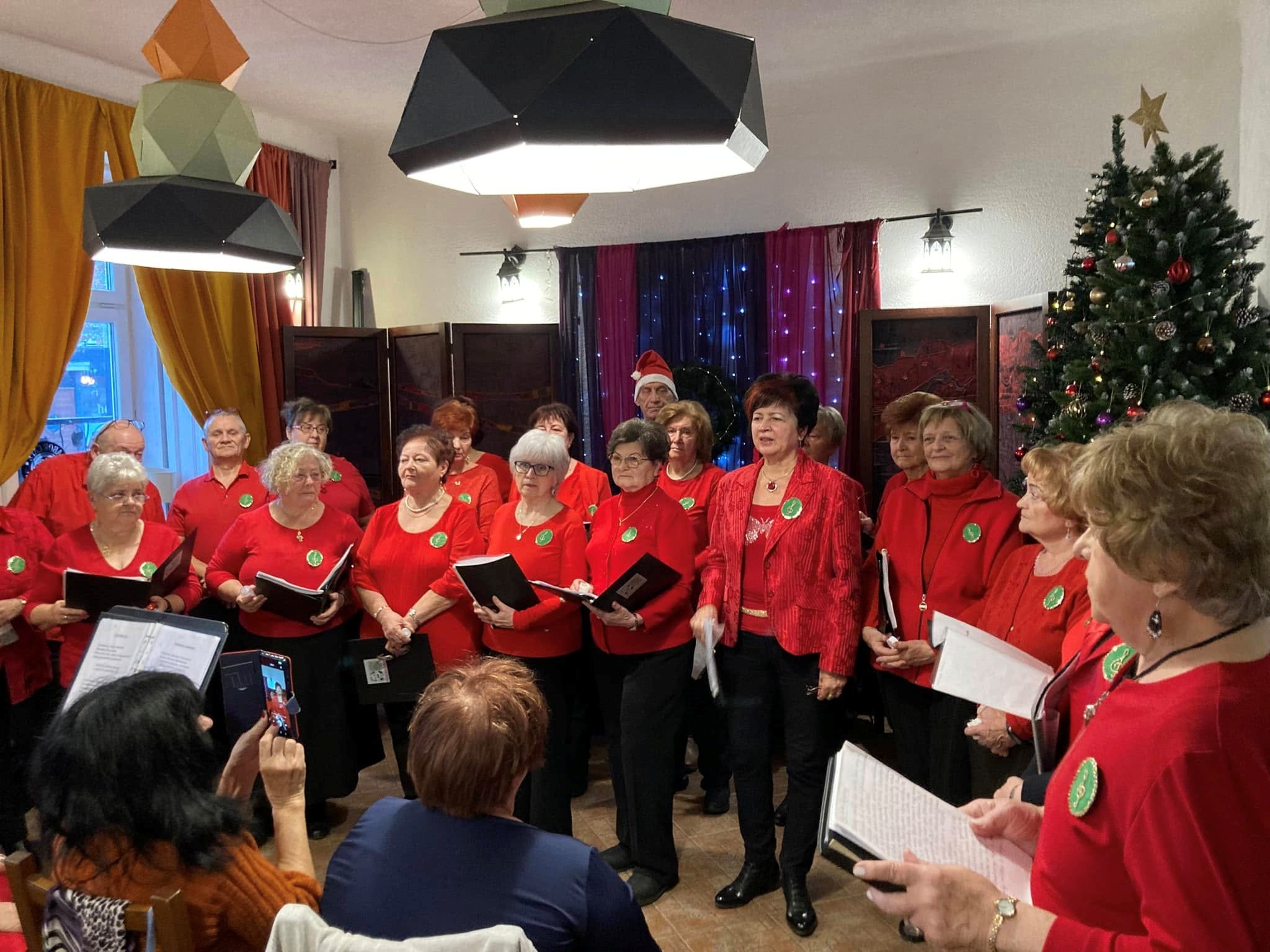
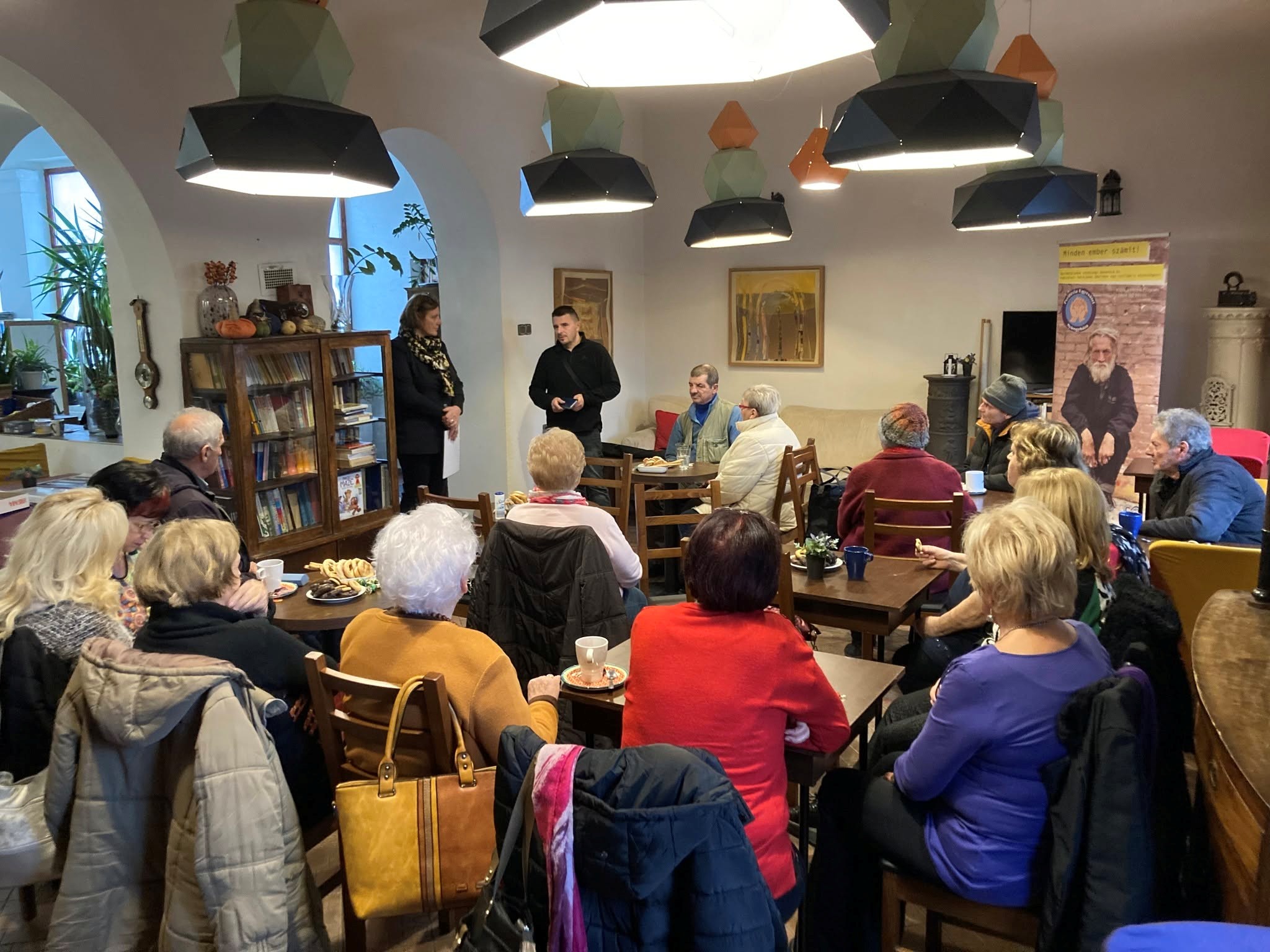
Éva Fekete tells the story of the Labor Café in Nyíregyháza, Hungary that started out in 2015 as a place to do something good locally and build a sense of community. Slowly it became the epicenter of political activism: “The physical space, which in the beginning was just an empty building, became the centre of small circles of freedom. Through its free access, accessibility, availability and openness, and its operation based on trust and solidarity, it simultaneously became an opportunity and a tool, a solution and a goal, a content and a framework.”
In North Belfast, the Sunflower Pub hosts Kind Economy Kitchens, providing a space for asylum seekers who are barred from employment under UK government policy, to gather and cook together. They share stories of surviving conflict and navigating racism, finding moments of warmth and fun amid the pathos.[2] I was fortunate enough to join them one evening in February 2024.
There is much to learn from these spaces and perhaps the key lesson is a simple one: they create a sense of belonging. Created in response to authoritarianism, othering, hate, violence, genocide, war, and to the grief and trauma that accompany this, these spaces seek to offer an antidote to the conditions that such violence creates. Maggie Wairimu Ainley of the Unyoke Foundation that runs retreats for community-based peacebuilders to rest, reflect and recuperate describes her space-holding as creating a space where people can “belong together and be long together.”
Belonging takes shape through a set of conditions that allow people to feel safe, connect with one another, and begin to imagine what is possible. These conditions are not always tangible, but they are felt in the ways people are welcomed, listened to, cared for and able to participate. Belonging and safety are preconditions for speaking honestly, for grieving, for listening, for imagining something different and, ultimately, for healing. In our discussions on space in June at Deepyogini, Trishna Thapa of Nagarik Aawaz and Padmalaya reflected that: “Safety is intrinsic to the basic human need for connection.” She describes Padmalaya through the Nepali idea of maiti – a parental home: “A strong, safe space, the reason for my transformation.” The idea of “home” resonates across other spaces too, including CIM in Bosnia and Herzegovina and others that may not be physical but are seeking the same qualities that engender belonging. The Trans and Queer Fund Kenya is exploring how it can create spaces that embody “political, emotional, ecological, spiritual and metaphysical conditions under which collectives flourish.” Kedolwa Waziri, who represents the Fund, calls their pursuit “home making in the world.”
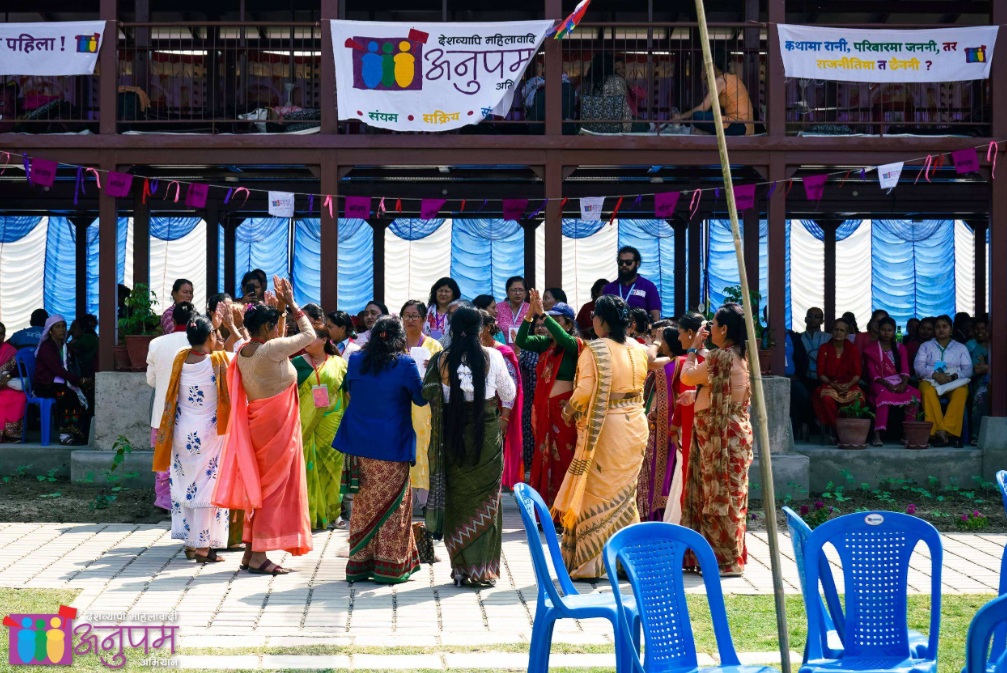
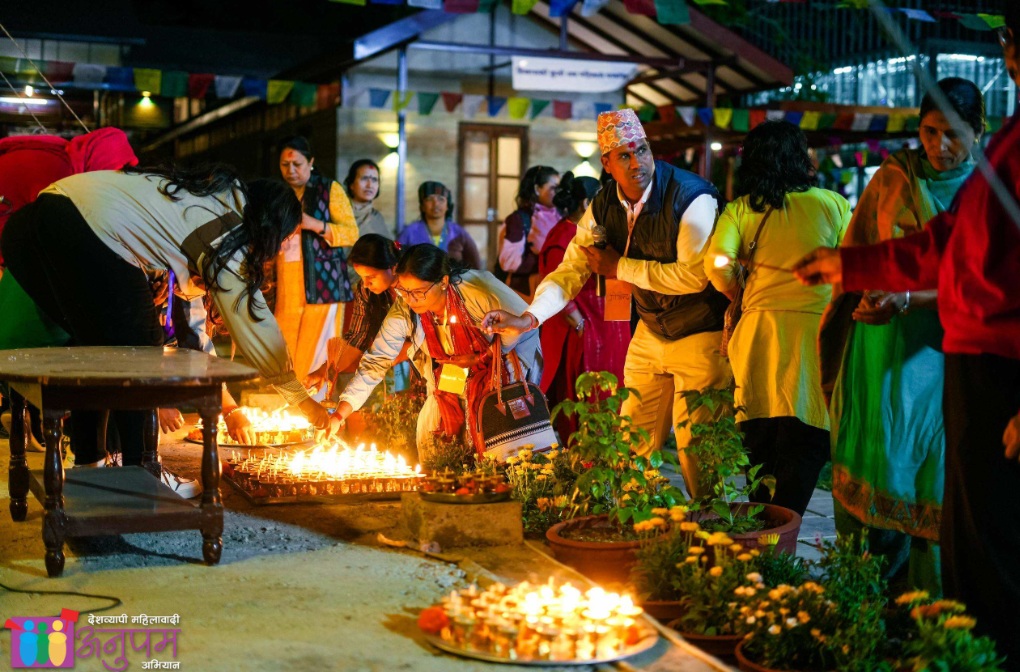
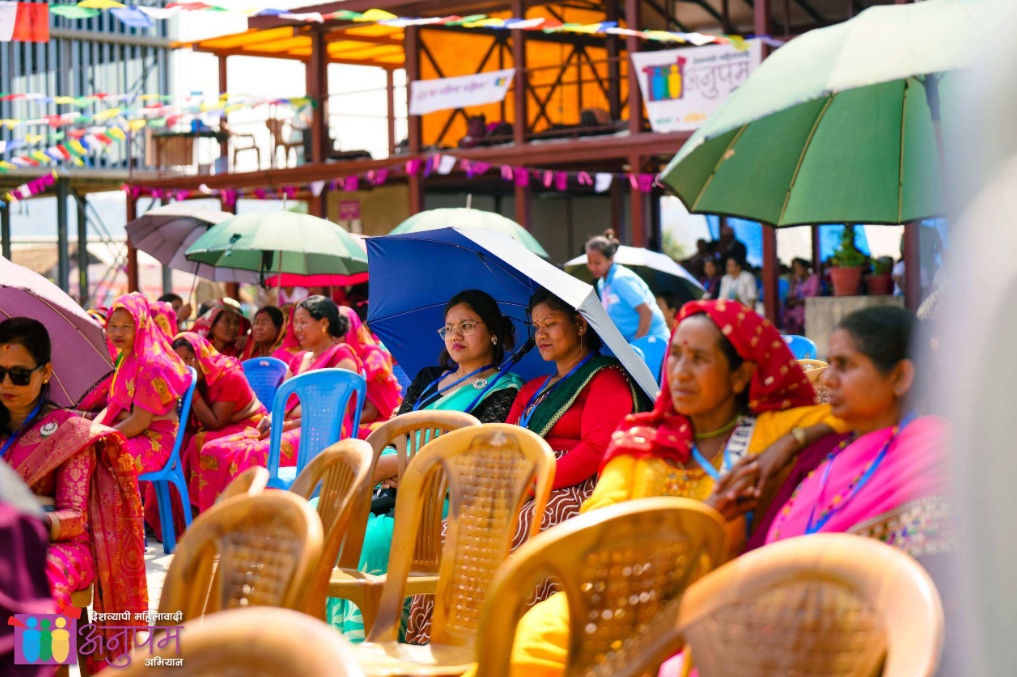
But belonging is not only about how a space feels. It is also about whether people have a say in shaping it, whether they can influence what happens there, and whether they have a sense of ownership over it. This brings us to questions of power. How do we create spaces they are rooted in community rather than institution, in relationship rather than power, and in belonging rather than separation? In their book Belonging Without Othering, john a. powell and Stephen Menendian have identified four interrelated elements that engender belonging: inclusion (being part of the community, with barriers and inequities addressed); connection (feeling attached to others and experiencing warmth and safety); visibility and recognition (being seen, heard, respected and valued); and, agency (having meaningful power to influence and shape what happens). Belonging therefore requires more than an invitation to participate – people must be able to contribute as themselves and have a say in shaping the spaces and communities to which they belong. Arturo Escobar’s idea of pluriverse design also offers a useful way of thinking about this. For Escobar, design is never simply about creating a structure or an object; it is also about creating ways of being and relating. He asks us to think about how spaces and systems can be shaped by communities themselves, rooted in place, relationship and the communal, rather than imposed through the logics of dominant institutions.
Working with frontline community-based peacebuilders, human rights defenders and social activists across diverse conflict-affected and post-conflict contexts – contexts marked by active hostilities, stalled post-conflict transitions, political repression or pervasive structural violence – Bridging Dialogues has come to recognize space-holding that fosters connection, solidarity and agency as central to its work. We are paying attention to how people continue to open up space, what allows these spaces (whether they be virtual, physical, emotional or otherwise) to nurture belonging, and what we can learn from them about organizing for transformation.
We are learning that our first task is not to fill up the space with activities, but simply to tend to it well: to make room for belonging and trust, and to embody the values we wish to see in the world – peace, justice, agency, compassion and care. Our second task is to connect our small spaces lightly, generously and without control, so that what is learned in one place can take root in another.
These spaces take many forms. Some are intentionally built around a vision that may endure for decades or centuries. Some are informal and fleeting, taking shape online, in cafés, pubs and kitchens. What they share is that however small they may be, they are the seedbeds of possibility for the world we want to create. As my friend and colleague Pedro Arenas, a community-based activist and peacebuilder from Colombia, describes this work, it is a “revolution of small things.”
By: Chandrika Sahai, Director, Bridging Dialogues
[1] Fahad Zuberi, “You can de-notify protest spaces, not people’s ability to (re)produce them,” The Indian Express, 19 October 2026 https://indianexpress.com/article/opinion/columns/jantar-mantar-protest-site-denotification-protest-against-government-10927292/
[2] Barry Knight, A New World Is Rising: Power, Consciousness, and the Renewal of the Human Story (2026), https://doi.org/10.1007/978-3-032-25581-5.