

When we choose to lead ourselves: Building a self-reliant feminist movement in Nepal
23 Nov 2026
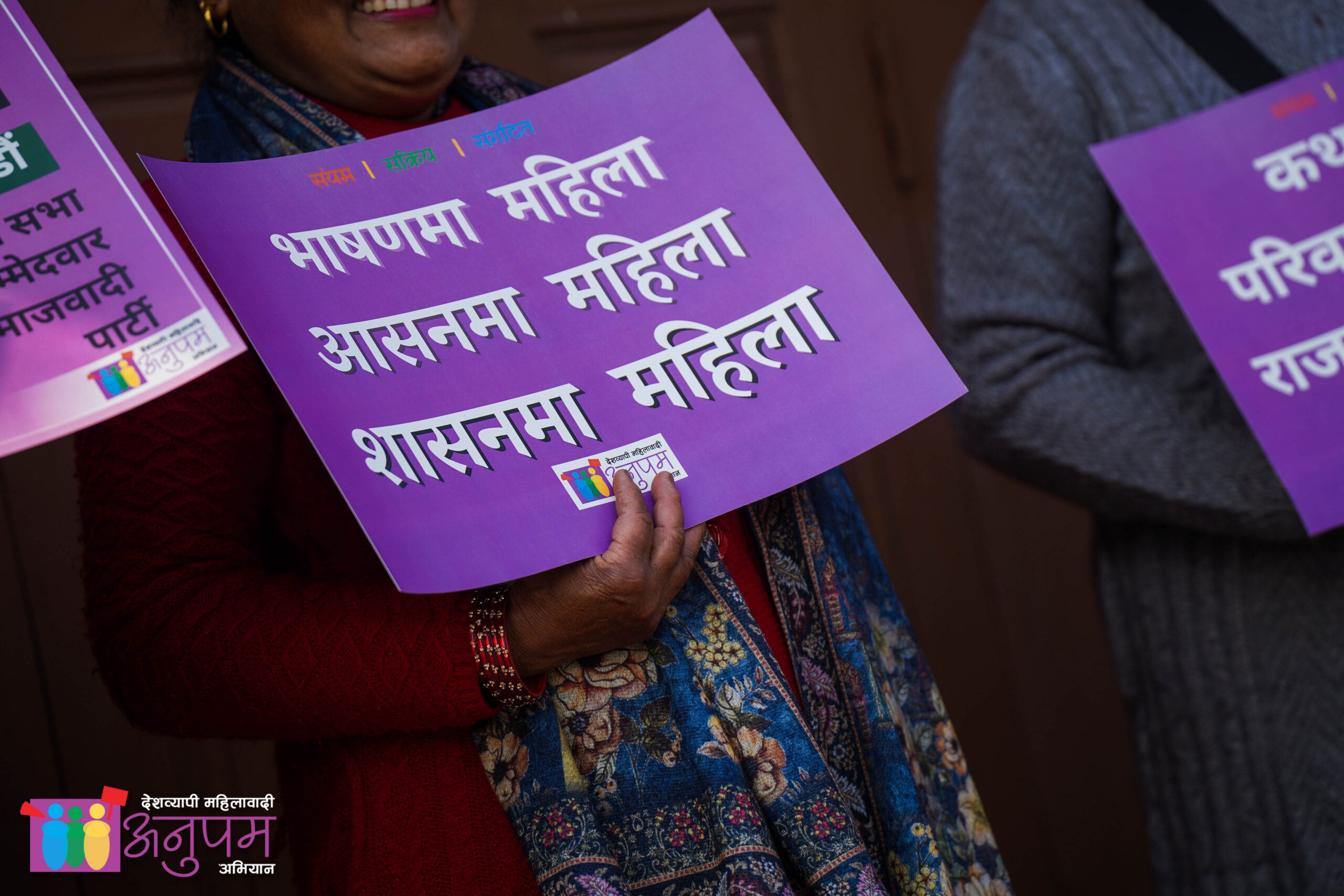
What if a movement did not have to wait for funding to begin, a project to define its priorities, or an institution to give it permission to lead? What if women could come together, trust their collective strength, mobilize their own resources and shape the future of their movement?
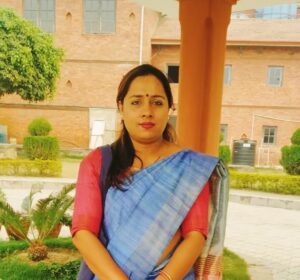
Priti Mandal, Inter-Generational Feminist Forum
For me, the Inter-Generational Feminist Forum (IGFF) is an expression of this possibility.
Established in 2019, IGFF is an open, informal and voluntary feminist network that brings together feminist leaders across generations, identities, professions and geographical locations. Over the years, it has grown into a nationwide network, reaching all seven provinces and 77 districts of Nepal, with more than 25,000 feminists associated with it. Yet IGFF is much more than a network of individuals. It is a collective space for feminist solidarity, learning, leadership and action. It is demonstrating that a movement can grow, sustain itself and influence public life through the commitment and collective strength of its members, without depending on donor funding.
I have been associated with IGFF since its inception. I have witnessed its growth from a space for feminist conversations into a platform that is helping shape the direction of Nepal’s feminist movement. What makes this journey meaningful to me is not only what IGFF has achieved, but how it has achieved it: through voluntary commitment, shared leadership, collective ownership and a deep belief in collective feminist power.
Anupam Abhiyan: From collective reflection to collective action
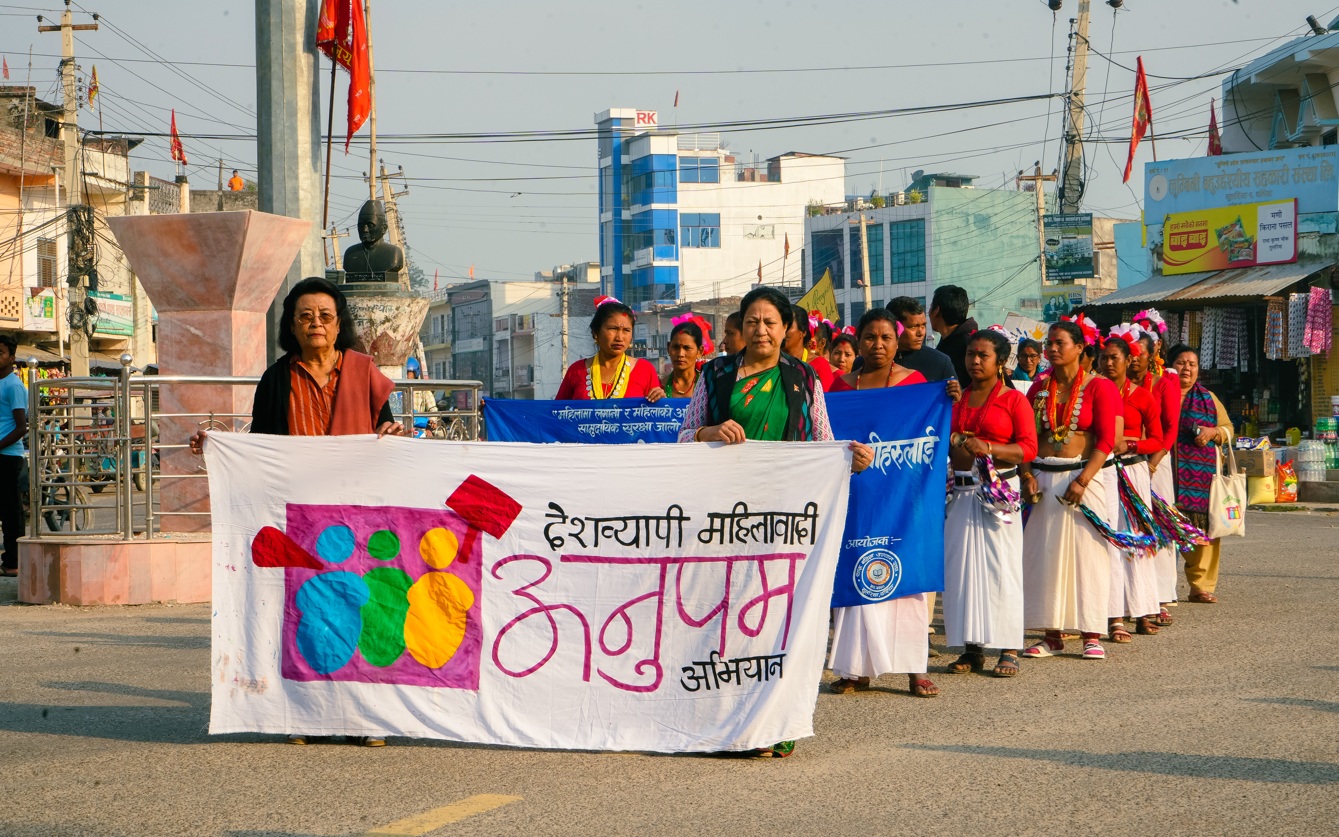
One of the most significant expressions of this spirit is the Anupam Abhiyan Campaign. It is an ongoing feminist movement to strengthen women’s voices, connect generations, build collective consciousness and turn feminist values into public action.
The journey has taken many forms. Feminist yatras brought women together across communities, using local culture, music, stories and collective expression to carry feminist messages into public spaces. A feminist song competition received 45 submissions, with the songs becoming part of the campaign’s creative and cultural expression. These were not simply events. They were opportunities for women to recognize their shared experiences, challenge social norms and make feminist voices visible.
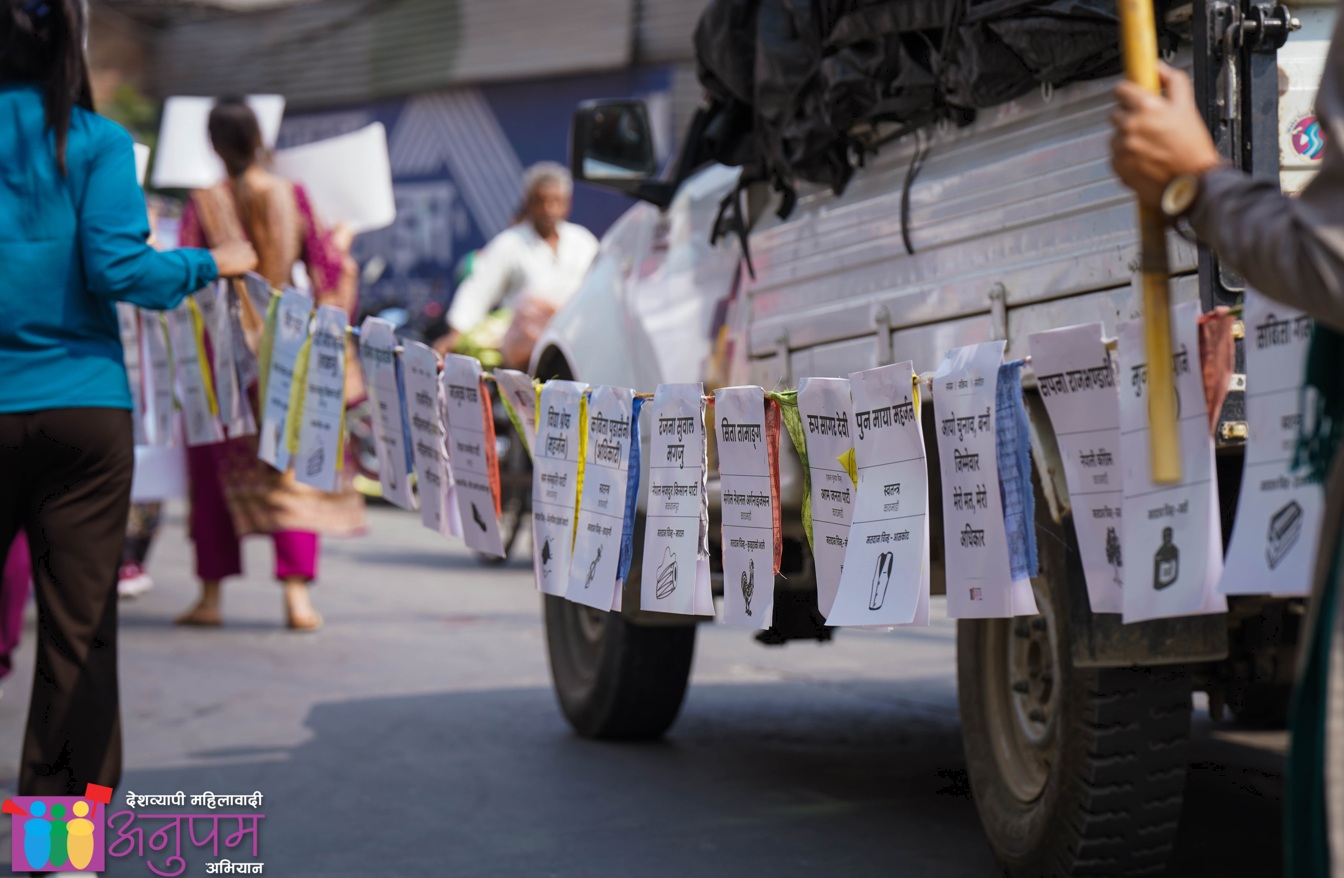
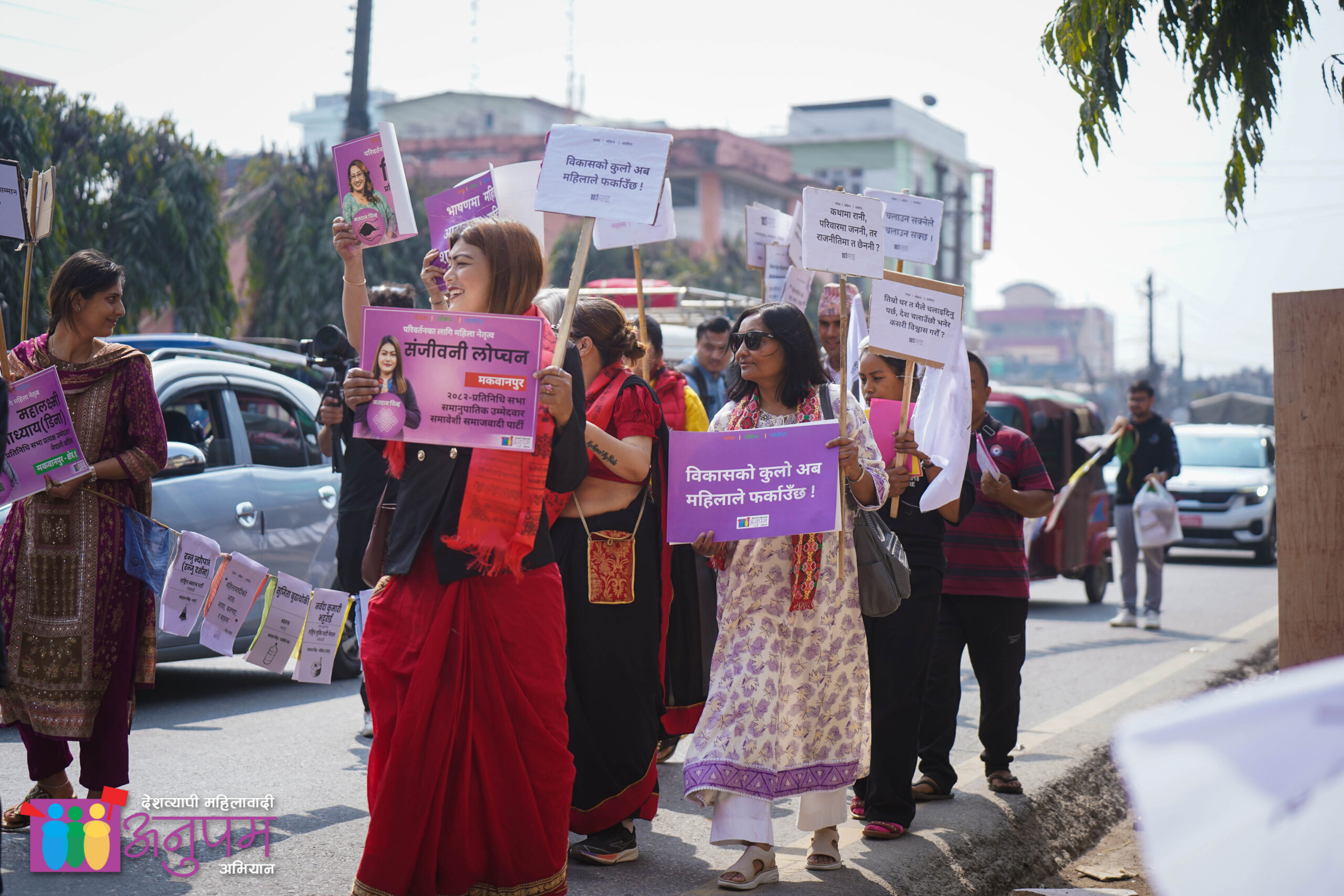
The journey then expanded into Rajnaitik Khabardari, a nationwide initiative to raise awareness and strengthen women’s participation in political and democratic processes. Through signature campaigns, public engagement and weekly conversations, IGFF brought attention to women’s representation and leadership. It helped take the question of women’s political participation beyond formal discussions and into communities and public spaces.
Kon Sabhas – street-side public assemblies held at crossroads and in community spaces – further strengthened this process. They created spaces where women could speak from their own experiences, discuss their rights, question unequal power relations and reflect on their role in political and public life. These gatherings connect local voices with wider feminist advocacy. They remind women that their experiences matter, their opinions have value and their participation in decision-making is not a favour to be granted but a right to be exercised.
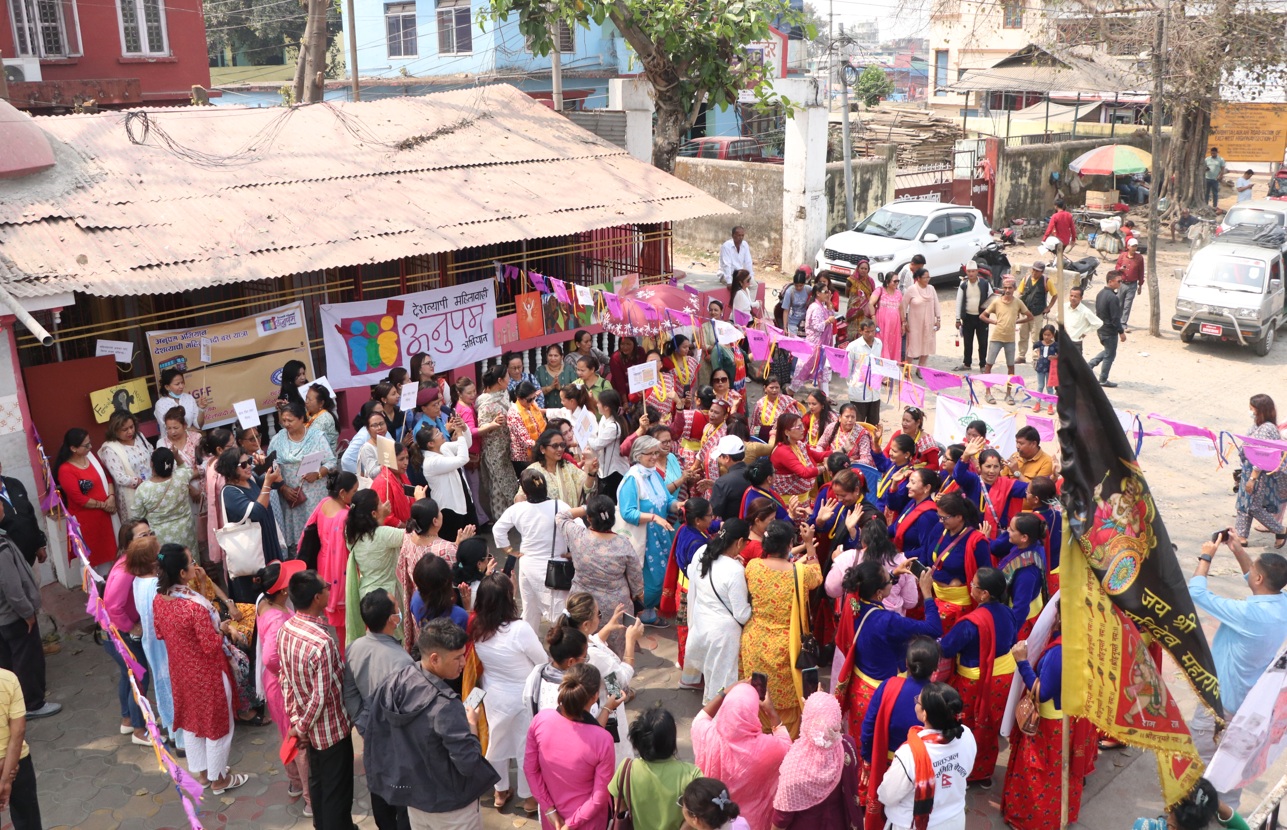
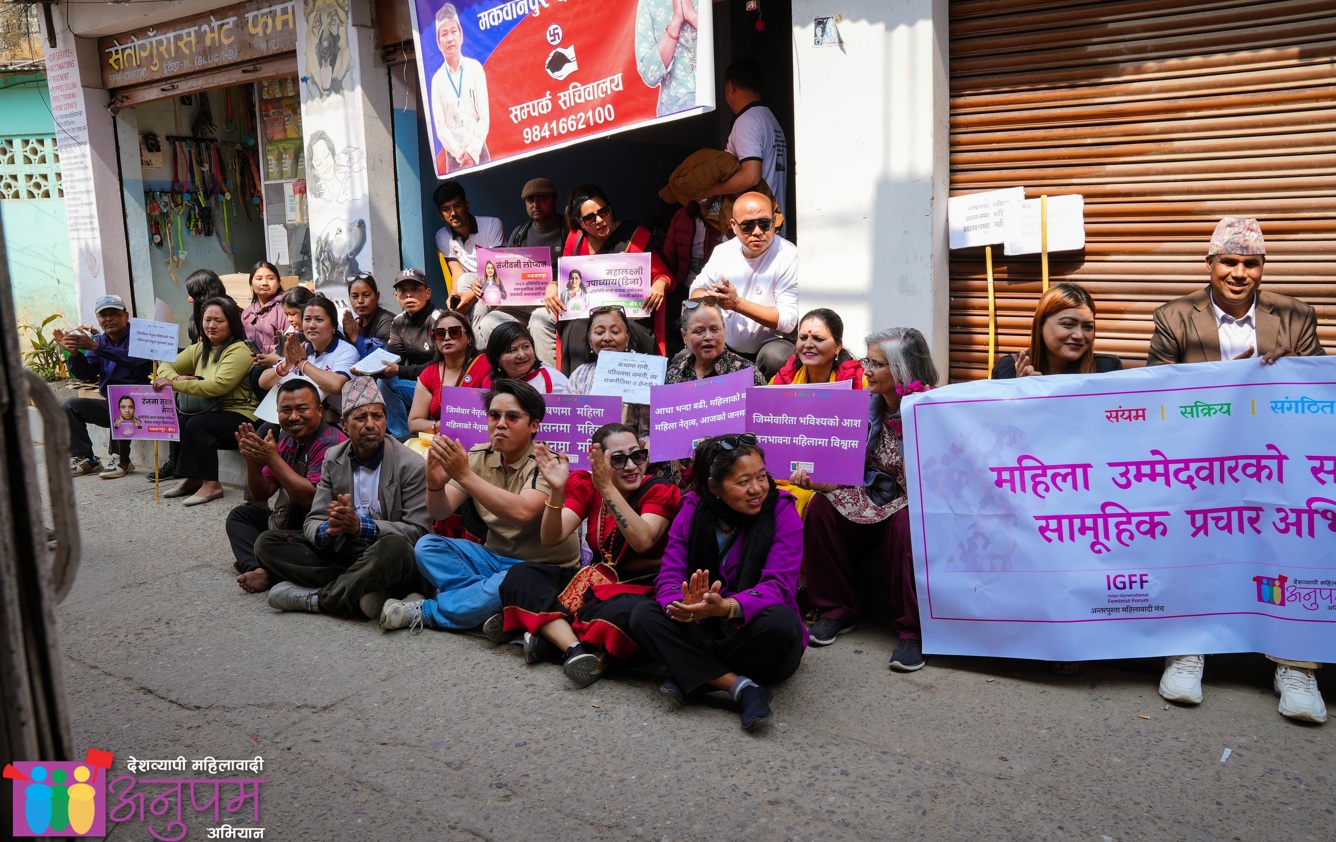
IGFF also brings together thousands of feminist leaders through its National Convenings. Women travel from different parts of the country and participate voluntarily, often bearing their own expenses. They come not because they are paid to attend, but because they believe in the collective purpose of the movement. These gatherings offer space for reflection, learning, solidarity and renewed commitment. They help connect local struggles with a shared national vision.
Together, these initiatives have strengthened feminist consciousness, expanded women’s networks, encouraged political engagement and created opportunities for women to take leadership in their own communities. They have helped move the movement from individual voices to collective action, and from awareness to organized advocacy.
A movement sustained by its own strength
What I find particularly powerful about IGFF is that this work is sustained through the voluntary contributions of its members. It does not depend on donor-funded projects to determine its priorities or direction. Women contribute their time, knowledge, professional skills, relationships and resources because they believe in the movement.
This has never meant that the journey is easy. Sustaining a nationwide network requires commitment, coordination, patience and hard work. But IGFF has shown that financial resources are not the only measure of a movement’s strength. Its most valuable resources are often found within its own people: their knowledge, experience, relationships, creativity and determination.
“For me, this is what self-reliant development and #ShiftThePower mean in practice. It is about reclaiming the ability to define our priorities, make our own decisions and take responsibility for the change we wish to create.”
For me, this is what self-reliant development and #ShiftThePower mean in practice. It is about reclaiming the ability to define our priorities, make our own decisions and take responsibility for the change we wish to create. It is about recognizing that women are not merely beneficiaries of development; they are thinkers, organizers, leaders and agents of transformation.
Self-reliance does not mean isolation. IGFF builds relationships, works with different organizations and engages with wider movements. But it retains its own voice, ownership and direction. Its strength comes from the collective will of its members, not from the availability of external funding.
Feminist leadership: Creating space, sharing power
I cannot reflect on IGFF’s journey without acknowledging Rita Thapa, founder of Tewa – Women’s Fund in Nepal and Nagarik Aawaz. Her long-term vision and towering leadership have been deeply influential in nurturing this collective feminist space. What I particularly admire is her ability to look beyond immediate activities and invest in relationships, institutions and leadership that can sustain change over time.
Her leadership has never been only about leading from the front. It has also been about encouraging others to take initiative, connecting generations and creating room for feminists to discover and exercise their own leadership. She has helped nurture a culture in which leadership is shared, knowledge is passed on and collective responsibility matters more than individual prominence.
This is reflected in the way IGFF seeks to practise feminist principles. It strives to create safe spaces where women can speak freely, listen to one another, express disagreement and learn without fear of judgement. It values non-hierarchical leadership, where experience is respected but no individual voice is considered more important than another. It recognizes that leadership must be nurtured, shared and handed over so that new generations can take the movement forward.
“This is how movements remain alive: not by holding power in a few hands, but by creating more hands capable of carrying it forward.”
The word inter-generational is therefore central to IGFF’s identity. Women with decades of experience and younger feminists finding their voices come together, exchange knowledge and strengthen one another. This is how movements remain alive: not by holding power in a few hands, but by creating more hands capable of carrying it forward.
The power to shape our own future
Nepal’s feminist movement continues to face deeply rooted inequalities, violence, discrimination and women’s exclusion from political and economic decision-making. The work ahead is immense. But IGFF is contributing to a movement that is not waiting for someone else to make change possible.
It is organizing, questioning, mobilizing and creating spaces for women to speak and lead. Through its campaigns, yatras, political awareness initiatives, Kon Sabhas and national gatherings, it is helping build a stronger and more connected feminist movement. More importantly, it is demonstrating that collective action can be sustained through solidarity, voluntary commitment and shared ownership.
I feel privileged to have been part of this journey from the beginning. IGFF has taught me that a movement does not become powerful simply because it has money, structures or visibility. It becomes powerful when people believe in one another, share responsibility and remain committed to a common vision.
“We do not have to wait for someone to fund our movement, define our priorities or give us permission to lead. We can organize ourselves, trust one another and build the future we believe in.”
Perhaps the most important lesson of IGFF is that self-reliance is not just a development approach; it is also a feminist political practice. It means trusting women’s knowledge, valuing collective resources, sharing power and refusing to believe that our ability to lead depends on someone else’s support.
We do not have to wait for someone to fund our movement, define our priorities or give us permission to lead. We can organize ourselves, trust one another and build the future we believe in. And perhaps, that is what shifting the power truly means.
Enduring. Engaged. United.
By: Priti Mandal, Inter-Generational Feminist Forum