

The Good Economy: What kind of economy does a good society need?
06 Oct 2026
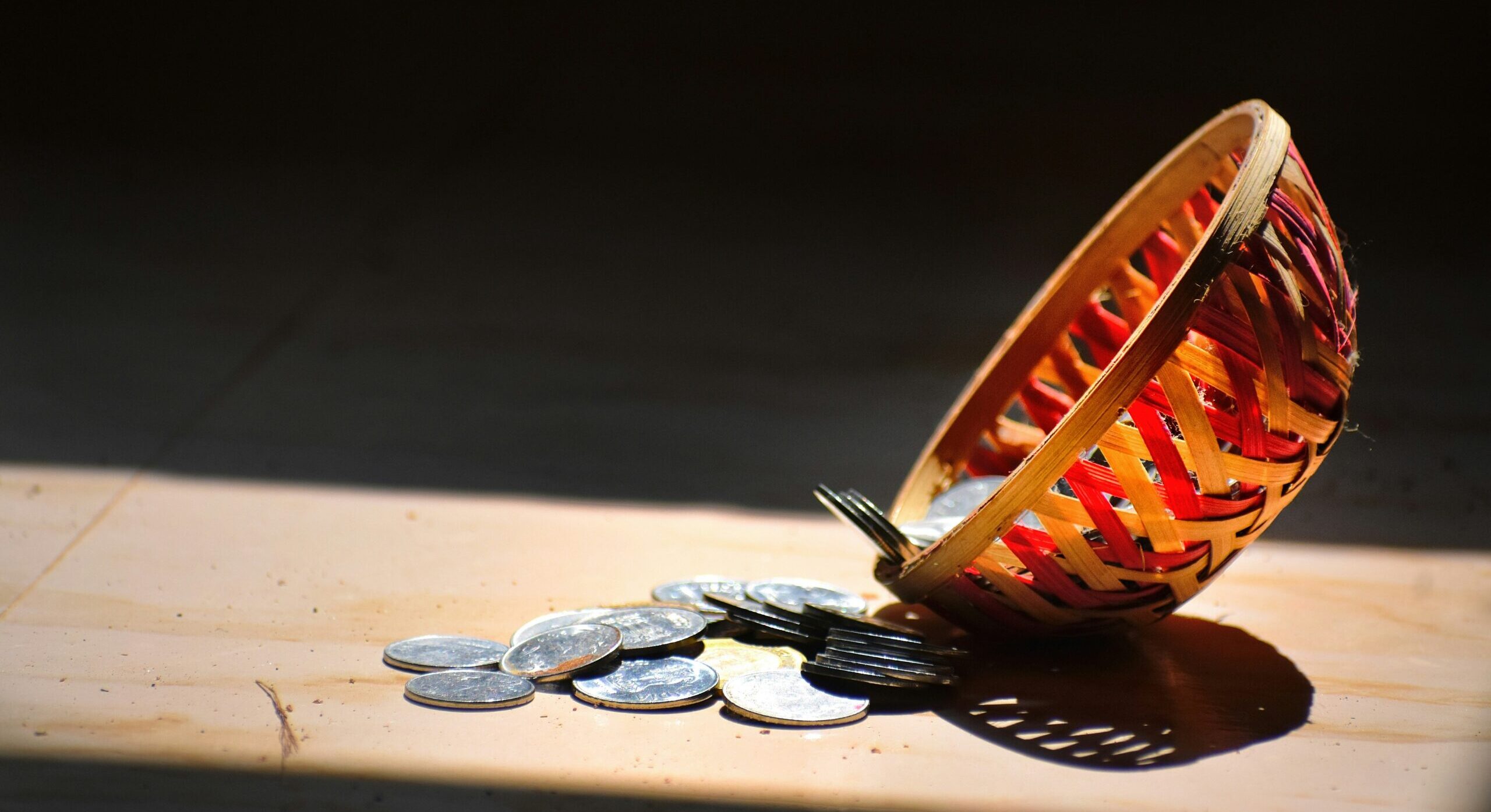
What would it mean to build an economy that works for people, communities and society as a whole? This was the question explored in a webinar (see recording below or here) – co-hosted by the GFCF and the Global Living Wage Network – on 26 October 2026.
For decades, the system of international development aid and philanthropy has focused downstream of the economy, responding to poverty, inequality and exclusion in the form of livelihoods, social protection and financial inclusion programmes. What rarely gets discussed, however, are the larger, more consequential questions about the economy. How is value created and distributed, for example? How is work valued – and by whom? Who owns productive assets or controls capital? Where does wealth accumulate or not? In short, who is included – and who is left out altogether?
The Good Economy – which forms part of Possible Now – is an exploration which starts from the proposition that, rather than being treated simply as a technical system for generating growth, jobs and income, the economy should be considered as part of the architecture of society itself. How it is organized determines the extent to which people can live flourishing and fulfilled lives. Rather than beginning with the question of how to include more people in the economy it, therefore, asks: what kind of economy are we inviting them into?
At a time when traditional aid and development models are under growing pressure, the world’s poorest countries are facing their worst debt crisis on record and trust in political systems is at a historic low, new conversations and approaches are emerging that together form part of a mosaic of alternative approaches. This includes the living wage, community wealth building, cooperatives, community philanthropy, labour organizing and local economic development. Often, however, they exist in separate spaces from each other, lacking a shared connective tissue or collective coherence which can translate into broader movement energy and direction.
The webinar brought together insights from experiments and lines of inquiry from within the #ShiftThePower movement and from the growing global movement for a living wage. It formed part of a larger set of conversations and activities helping to shape the #ShiftThePower Global Summit in Kathmandu, Nepal, to be held from 2 – 4 December 2026. Its purpose was to contribute to a broader dialogue amongst those who are exploring new edges and alternative pathways for action.
This is so interisting! Because when we go deeper, #PossibleNow is realy about thriving communal and concepts of community that fuel small groups and formations. And this is indeed the time to talk about alternatives that people and communities could weave together.