

Trust as a currency
29 Oct 2026
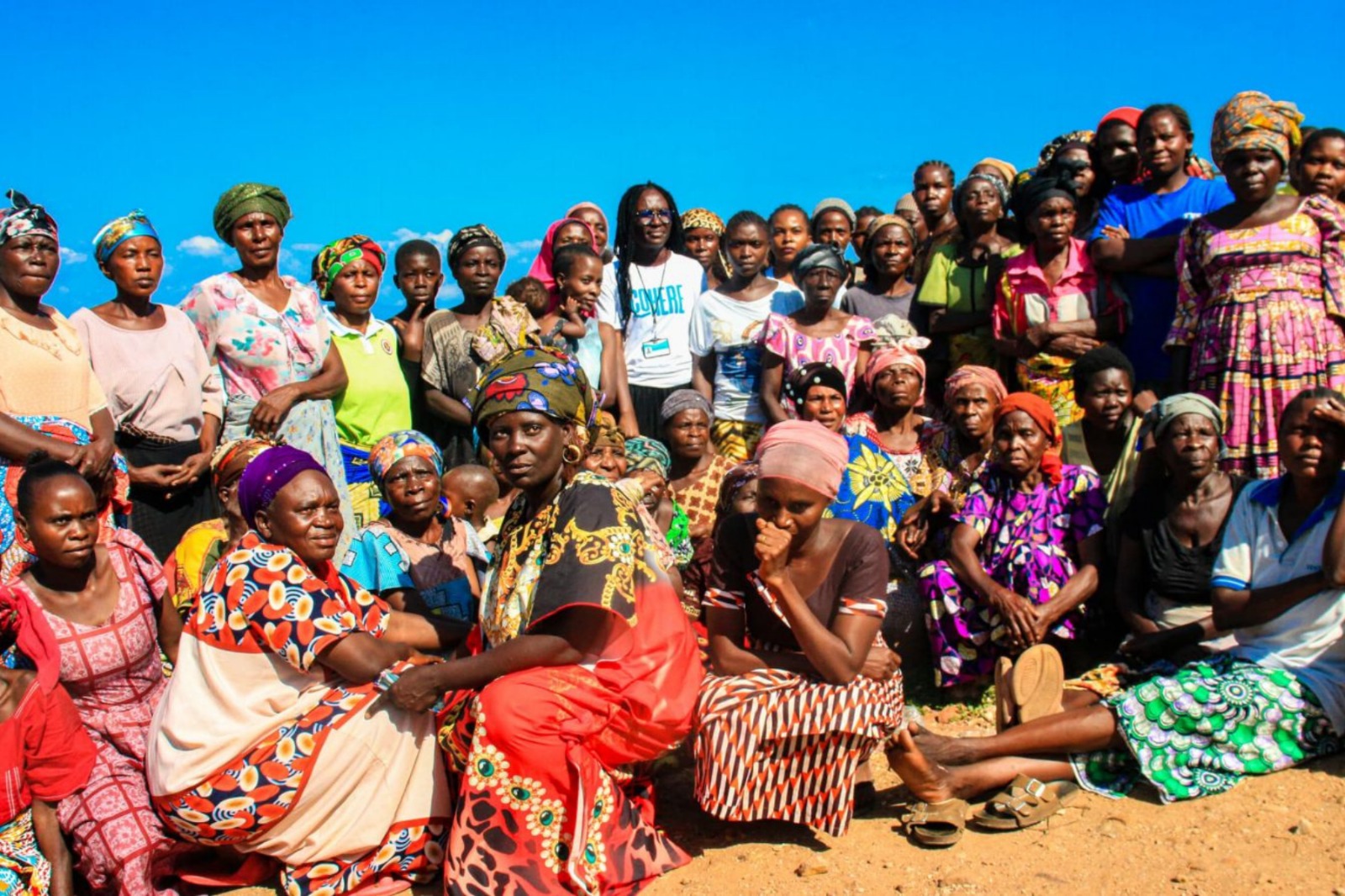
Download the new research paper from Adior Ibrahim, Where Is The Trust? Before You There Was Us.
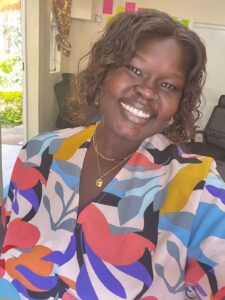
Adior Ibrahim, Cohere and a 2024 / 2025 #ShiftThePower Fellow
The first time I came across the phrase, “trust as a currency”, was during the October 2025 GFCF Community Philanthropy Symposium, which I attended with my fellow #ShiftThePower Fellows. It was quite an interesting phrase because I had never heard it before. We have so many forms of currencies, but I had never thought of trust as one, and I was naturally intrigued by the idea of how trust itself could function as a currency.
The person went further to ask: “How do we account for trust?” And, honestly, I didn’t have an answer for him. He asked this in the sense that if we account for foreign aid, grants and resources received, then why do we rarely account for the non-financial support that helps build trust, relationships and community? Why is it that we can quantify money so easily, but struggle to recognize the value of solidarity and human connection?
Trust in itself would be thought of as blind faith, hence it is not and should not be complicated. But once it enters systems, institutions and programmes, it somehow becomes complicated, formalized, monitored and even turned into something transactional. On the other hand, accountability for locally raised resources builds trust because communities see where the support is coming from, who contributed and how it was used, therefore creating ownership and relationships in the process. And yet, we tend to undervalue the role of trust when working with communities.
As I reflect on this and how the title for my research paper – Where Is The Trust? Before You There Was Us – came to be, one clear thing is that communities and institutions often understand and translate trust very differently. In many refugee communities, trust is relational, built through presence, honesty and mutual support. A person becomes trustworthy because of how they show up for others, not because they submitted the best report or had the strongest proposal. Communities survive because people rely on each other: someone sharing food when another family has nothing, neighbours contributing to a funeral or young people organizing support for struggling households. Nobody is completely left behind, yet nobody calls this philanthropy, while it is the purest form of giving.
“This is not about rejecting aid, but about recognizing that communities were never empty spaces waiting to be filled or fixed. There were structures, relationships and ways of surviving together already in place. But somewhere along the way, this got lost in translation.”
Before the arrival of aid, INGOs and NGOs, before projects and donor frameworks, communities already had their own informal systems of support and accountability. Building trust is often a natural and instinctive process that doesn’t necessarily rely on formalized structures. They already knew how to support each other through difficult times, which is where the line “Before You There Was Us” comes from. This is not about rejecting aid, but about recognizing that communities were never empty spaces waiting to be filled or fixed. There were structures, relationships and ways of surviving together already in place. But somewhere along the way, this got lost in translation: trust became overshadowed by compliance.
In many humanitarian and donor spaces, trust is often tied to paperwork, reports, receipts and risk assessments. While accountability matters, relationships become secondary in these scenarios, even though they should be the foundation. On the other hand, institutions are rarely asked how they are building trust with the community and even being accountable to them. It is important to recognize that trust is complex in nature and cannot be easily measured, as its true value is in the quality of relationships.
I also kept thinking about how difficult it is to measure some of the things that matter to communities. How do you capture trust in a report? How do you measure dignity or belonging? Some of the most important changes happen quietly through relationships, through people feeling seen and respected. But because these are difficult to quantify, they often fall through the cracks. Maybe that is part of the problem. We have become so focused on measurable outputs, we have forgotten to factor in the human side of community work.
“Maybe that is part of the problem. We have become so focused on measurable outputs, we have forgotten to factor in the human side of community work.”
Trust is not a weak link. It shapes whether people feel safe enough to collaborate honestly, whether partnerships last and whether communities actually believe in the work being done. Without trust, even well-funded initiatives struggle, but when you lead with trust and relationships, you open other possibilities – and maybe that’s just the point. Trust itself is a form of wealth, and sometimes it is the strongest currency a community has.
Maybe the problem is not that communities do not understand accountability, but rather that the system has failed to recognize the forms of accountability communities have already practiced for generations. And overall, trust has always existed within communities – the question is whether institutions are willing to value it beyond paperwork and reports. It is perhaps therefore more relevant to ask how all forms of transactions, such as money but also non-financial value in a relationship, build trust, as opposed to asking how trust helps the transaction.
By: Adior Ibrahim, Cohere and a 2024 / 2025 #ShiftThePower Fellow. Read Adior’s Fellowship paper: Where Is The Trust? Before You There Was Us.